
One Function. Infinite Answers.
- by Kirill
- in Enviromental Design
- posted August 30, 2026
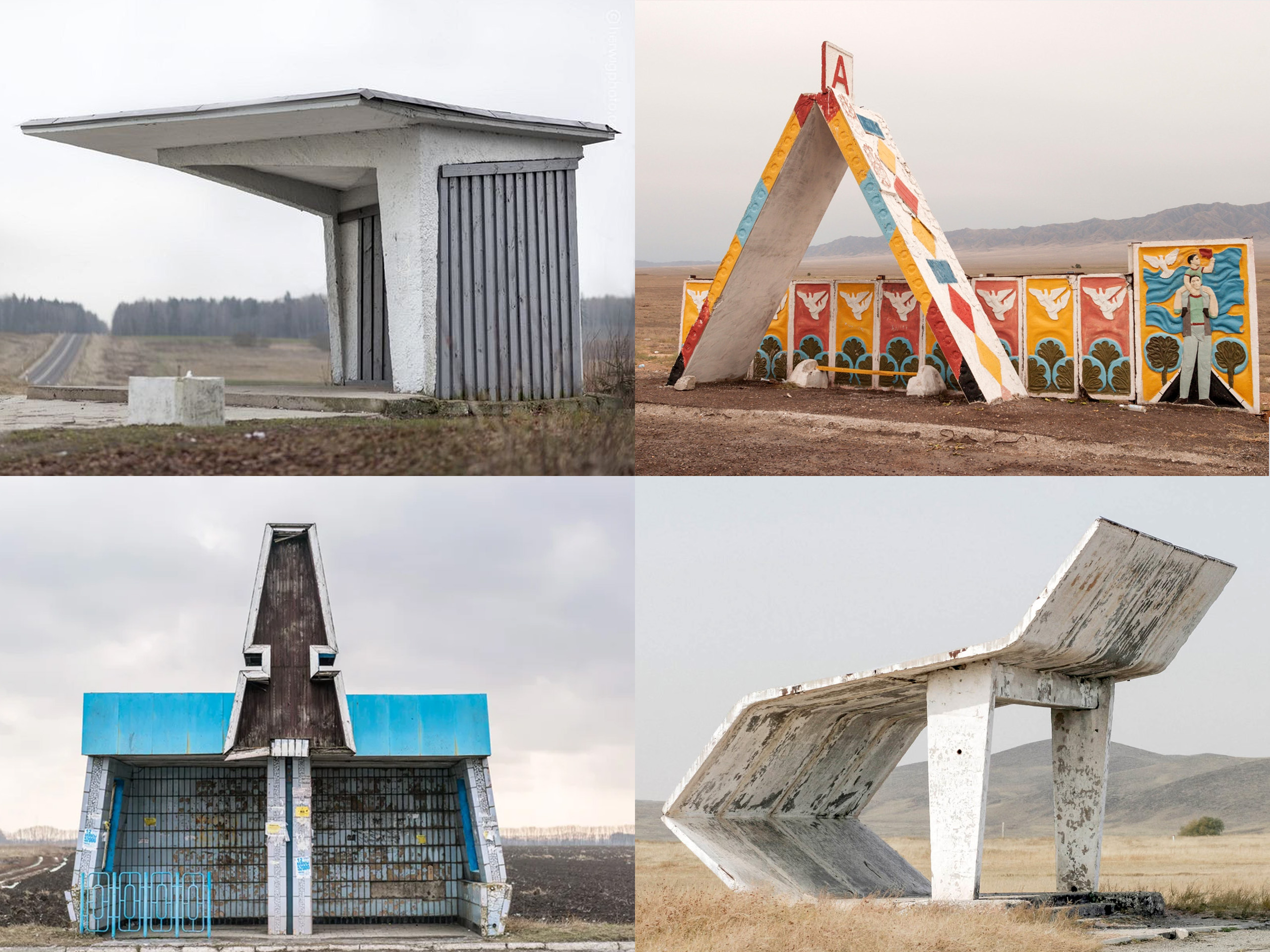
Four bus stops. One ordinary problem. Four completely different ideas about what public architecture can be.
A bus stop has a remarkably simple job: provide a place to wait and some protection from the elements. Yet these structures turn that basic function into something far more expressive.
Some are almost brutally minimal—concrete, geometry, shelter. Others use color, ornament, sculpture, and unexpected forms to create something closer to public art. Each solves essentially the same problem, but none arrives at the same answer.
That variety is what fascinates me.
Good environmental design doesn’t always require a grand gesture or an enormous budget. Sometimes it’s simply about recognizing that even the most ordinary piece of infrastructure can contribute to the identity of a place.
A bus stop can be purely functional. Or it can become a landmark, a meeting point, a piece of sculpture, even something people remember long after they’ve left.
As a designer, that’s the lesson I keep coming back to: function gives us the problem. Design gives us the opportunity to make the answer specific to its place.
Inspired by the photography of Christopher Herwig’s Soviet Bus Stops.
